
A product review
you can follow.

Product feed review starts with understanding your products. feedrevive brings source details, catalog findings and proposed corrections into one workflow, so your team can decide what to fix and why.

Try the sample workflow

One product.
A considered next move.

A practical path for reviewing catalog data without losing the context that makes a correction trustworthy.

Import the catalog you actually sell.

Begin with an authorized store connection and a read-only import. The private preview has validated Shopify import with an owned development store. Imported variants give the review a source record; they are not an instruction to overwrite your storefront. WooCommerce live validation is still pending.
Turn missing details into a review queue.

Browse imported products and investigate missing titles, descriptions or identifiers. A finding should tell you which product needs attention and what evidence is available. Unknown data stays a gap to investigate, rather than a reason to invent a material, brand or product claim.

Review a correction against the product.

Compare the proposed title or description with the source details. Confirm the right variant and the facts behind the wording before saving a review. The private preview supports correction review; the example on this site is fictional, and does not call an AI model or connect to your store.

Correct the source and check again.

Today, store corrections are made in the source store and reimported for a fresh check. Direct write-back and automated publishing are planned. A reviewer approving a proposal is distinct from a source accepting it, and both are distinct from a Merchant platform accepting the final product data.

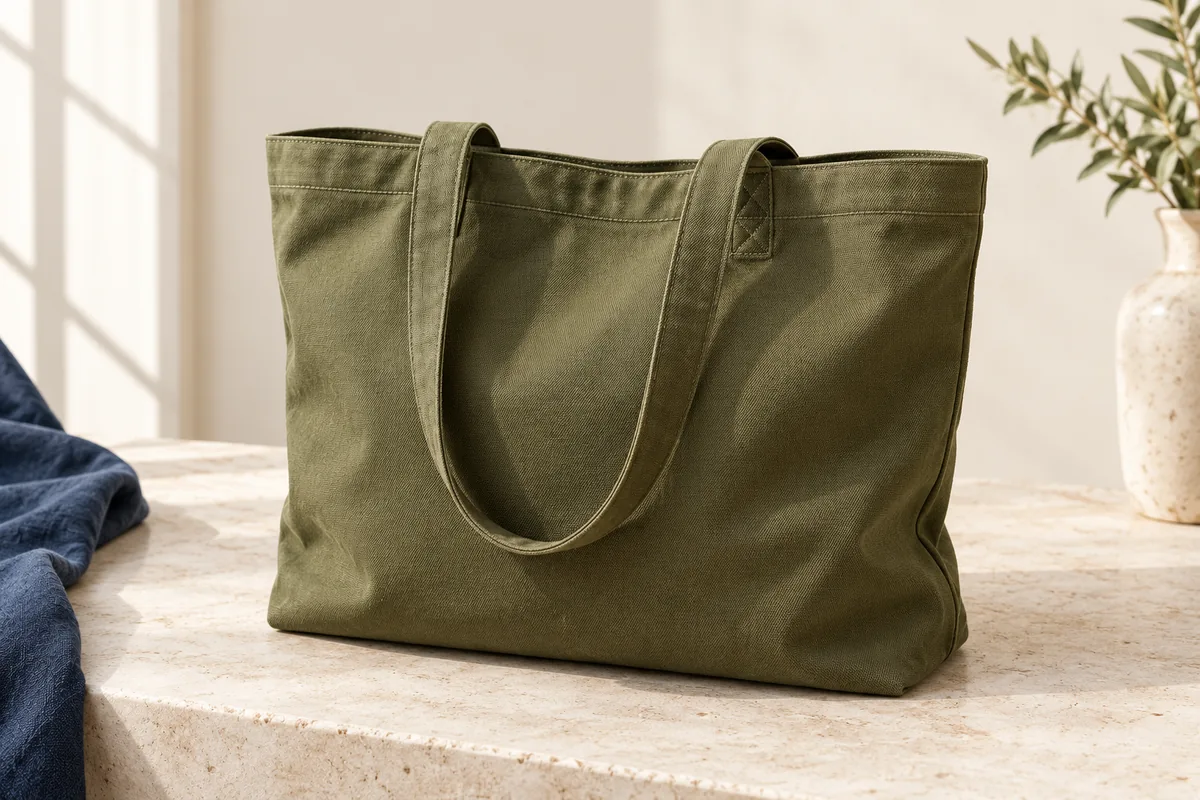
Unbranded olive canvas tote with visible fabric texture, stitched handles and natural folds.
Meet the fictional product in the walkthrough. Illustrative image · AI-generated

The title changes.
The product doesn’t.

Imagine a product page that confirms an olive canvas tote, but a feed that only says “Everyday tote.” The task is to bring confirmed details into the title—not invent a different product.

Confirmed in this fictional example
Brand: Northline · Material: canvas · Color: olive
Still needs evidence
Size, certifications, sustainability claims and delivery promises.
Try the review

See it. Understand it.
Make the call.

Try a fictional title review, then explore the planned approval workflow. This demo changes only the example on this page.

A good first review
starts before the audit.

Prepare the source details and the person who can act on a correction. Public access is not yet open; this is how to think about the intended workflow.

Know which store and variants matter.

Bring a rough active-variant count and an authorized store contact. A product with several sizes or colors may have several SKUs, even when it has one storefront page. Decide which catalog and market you are reviewing before comparing findings.

Have a source you can check.

Use your product records, supplier details or storefront information to confirm a claim. A blank field does not establish the correct value. If a material or identifier is unknown, the next useful action is to investigate it.

Agree who makes the correction.

Decide whether a merchant or an agency owns the source edit. Current store corrections are made outside the private preview, then reimported for another check. The person reviewing a proposal may be different from the person authorized to change the source.

Read the result in context.

An audit reflects imported data and the evidence covered by that check. After changing a product, reimport and review fresh results. A complete catalog field does not establish checkout consistency, Merchant acceptance or improved sales.

More detail only helps
when it is true.

The sample title demonstrates a decision, not a promised performance improvement.

Everyday tote → a more specific title

The fictional source confirms Northline as the brand, canvas as the material and olive as the color. Those facts support “Northline Everyday Canvas Tote — Olive.” They do not support an invented size, recycled-content claim or delivery promise.

A reviewer still needs to check which facts belong to the selected variant. If the material cannot be confirmed, the next step is to check the source—not to accept a more persuasive sentence.

See where the workflow fits.

Explore the capabilities and their current development status.

Explore the features